
How to Choose the Right Investment Property Outside Brisbane
As property values across inner-ring Greater Brisbane reach historic highs, everyday investors face a dilemma to pay a premium for lower rental returns in central suburbs, or look slightly further afield to unlock…
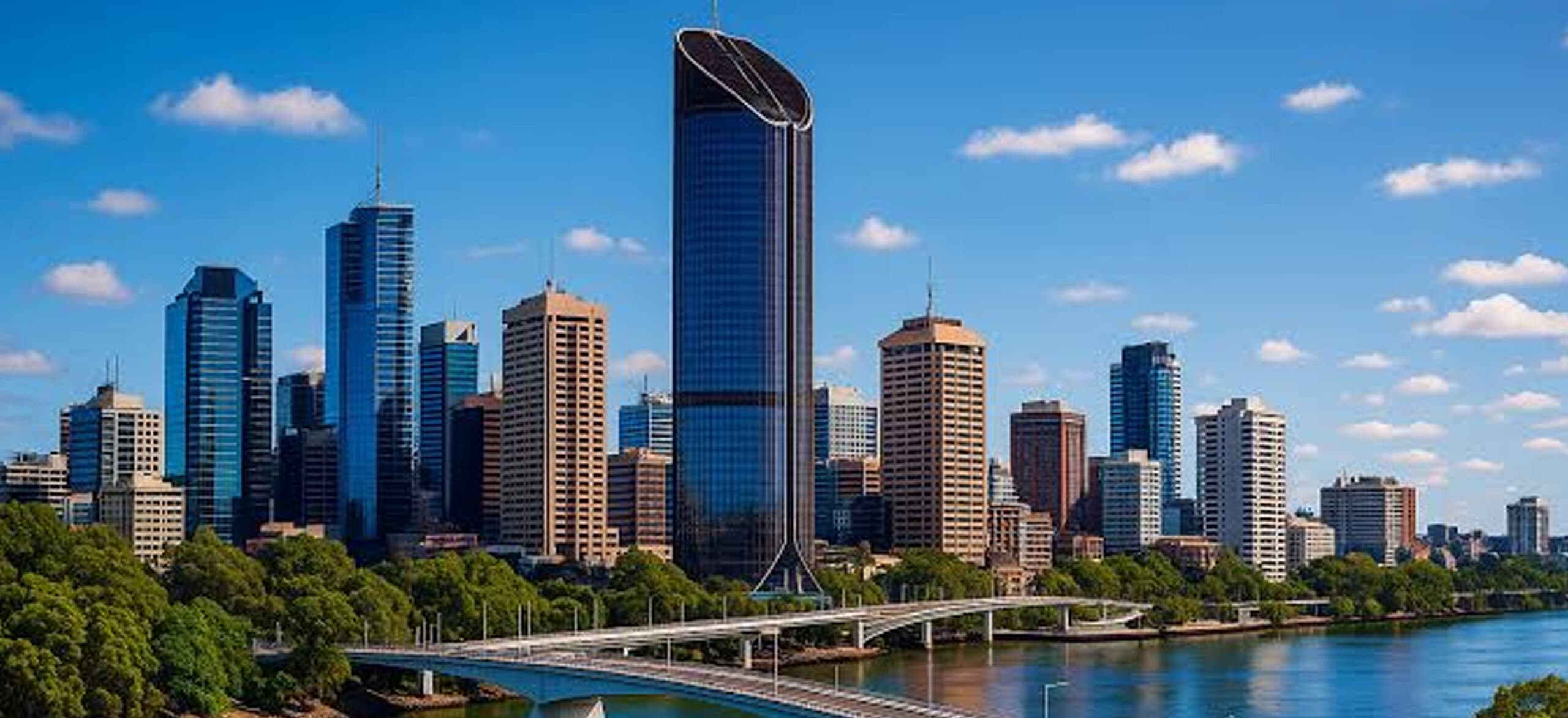
As property values across inner-ring Greater Brisbane reach historic highs, everyday investors face a dilemma to pay a premium for lower rental returns in central suburbs, or look slightly further afield to unlock stronger cash flow and accessible price points.
If you are a property investor looking to build a high-performing portfolio, looking beyond the CBD perimeter is no longer just a compromise; it is a proven property investment strategy. Outer growth hubs like the Logan, Ipswich, and Moreton Bay regions offer entry points under $800,000, paired with rental yields frequently pushing between 4% and 6%.
This guide breaks down how to choose the right investment property outside Brisbane, which key corridors present the best opportunities in 2026, and how to execute your purchase using precise, data-backed due diligence.
Note: To successfully buy an investment property outside Brisbane, focus on outer corridors located 30–50 km from the CBD that sit directly along major rail links, feature vacancy rates below 1%, and offer a high land-to-asset value ratio (specifically standalone freehold houses). Prioritise regions benefiting from the $90+ billion South East Queensland infrastructure boom ahead of the 2032 Olympic Games.
Why Invest Outside Central Brisbane in 2026?
Central Brisbane suburbs offer strong historical prestige, but for growth-focused investors, outer corridors offer two crucial financial advantages: superior rental yields and lower capital entry points.
| Comparison Metric | Brisbane Central Suburbs | Outer Growth Corridors |
| Typical Purchase Price | $1,000,000+ | $550,000 – $850,000 |
| Gross Rental Yield | ~3.0% – 3.8% | 4.5% – 6.0% |
| Cash Flow Focus | Lower immediate cash flow | Stronger immediate cash flow |
| Primary Value Driver | Established urban density | Infrastructure expansion & affordability |
With South East Queensland maintaining tight vacancy rates under 1%, tenant demand in regional hubs remains exceptionally strong.
1. Capital Growth Drivers vs. Immediate Cash Flow
Inner-ring property typically costs over $1 million, yielding around 3% to 3.8%. In contrast, the outer-ring property for investment delivers yields between 4.5% and 6%. Higher yields help offset current interest rates, reducing out-of-pocket holding costs while maintaining exposure to long-term capital appreciation.
2. Massive Infrastructure Investment
South East Queensland is currently undergoing a massive infrastructure transformation. Multi-billion-dollar commitments in road expansions, hospital upgrades, and rail extensions are turning regional hubs into self-sustaining employment centres. Properties near these projects experience compound tenant demand.
Top Growth Corridors and Suburbs Outside Brisbane
Selecting where to buy an investment property requires analysing local yield data, population trends, and infrastructure. Below is a breakdown of the three top-performing outer corridors around Greater Brisbane for 2026.
| Region / Corridor | Representative Suburbs | Median House Price Range | Estimated Rental Yield | Key Infrastructure Driver |
| Moreton Bay Region | Caboolture, Kippa-Ring, Deception Bay | $560,000 – $812,000 | 4.8% – 5.3% | Sunshine Coast Rail Line, Caboolture Hospital expansion, TAFE Campus |
| Ipswich Corridor | Redbank Plains, Springfield Lakes | $500,000 – $865,000 | 4.5% – 6.5% | Springfield Railway Line extension, Military & Logistics master plans |
| Logan City | Crestmead, Hillcrest, Loganlea | $550,000 – $835,000 | 3.8% – 6.0% | Logan Hospital $1B upgrade, highway arterial upgrades, freight hubs |
1. Moreton Bay Region (Northern Corridor)
Located 35 to 45 km north of the Brisbane CBD, Moreton Bay combines coastal lifestyle demand with direct highway and rail connections back to the central city.
- Key Suburbs: Caboolture, Kippa-Ring, Deception Bay.
- Why It Works: Caboolture offers entry prices from $560,000 to $812,000, with gross yields near 5%. Major health and education investments, such as the Caboolture Hospital expansion and local TAFE upgrades, support a growing rental population.
- Property Type Focus: Look for standalone 3-to-4 bedroom freehold houses on blocks greater than 500 sqm within 1.5 km of train stations.
2. Ipswich Corridor (Western Corridor)
Ipswich represents one of South East Queensland’s fastest-growing local government areas, benefiting from massive master-planned communities and affordable residential parcels.
- Key Suburbs: Redbank Plains, Springfield Lakes.
- Why It Works: With median prices spanning $500,000 to $865,000 and yields up to 6.5% in emerging pockets, Ipswich offers strong cash flow opportunities. Springfield Lakes provides a fully integrated hub with health precincts, university campuses, and direct rail access.
- Property Type Focus: Post-2010 modern brick family homes requiring low maintenance, catering directly to long-term working families.
3. Logan City (Southern Corridor)
Positioned strategically between Brisbane and the Gold Coast, Logan City is a blue-collar economic engine driven by logistics, manufacturing, and transport infrastructure.
- Key Suburbs: Crestmead, Hillcrest, Loganlea.
- Why It Works: Median house prices range between $550,000 and $835,000, with yields ranging from 3.8% to 6%. The proximity to major arterial motorways (M1 and Logan Motorway) makes these suburbs prime locations for logistics and healthcare workers.
- Property Type Focus: High land-to-asset ratio properties with potential for future dual-occupancy or granny-flat additions (subject to council approvals) to maximise yields.
Step-by-Step Framework You Need to Adapt
Navigating property market research in outer markets requires a systematic selection process. At Propwealth Next, we recommend using a multi-step framework to evaluate every potential acquisition.
| Framework Step | Selection Criteria | Strategic Goal |
| 1. Distance & Transit Access | 30–50 km from Brisbane CBD along direct rail links | Ensures sustained commuter demand and capital growth connectivity. |
| 2. Land-to-Asset Ratio | Prioritise freehold land value over building structure value | Maximises long-term appreciation since land appreciates while structures depreciate. |
| 3. Micro-Economic Drivers | Proximity (within 2 km) to hospitals, TAFEs, or employment nodes | Secures a reliable pool of long-term tenants and minimises vacancy risks. |
| 4. Local Demographics | High proportion of local working families and steady population inflow | Drives organic rent growth and capital expansion over time. |
Step 1: Establish Your Target Budget and Strategy - Before looking at listings, define your core metric:
- High Yield Focus (Cash-Flow Positive): Focus on Logan or Ipswich suburbs yielding over 5.5% to help cover debt serviceability.
- Balanced Growth Focus: Focus on Moreton Bay coastal corridors near major rail upgrades where long-term capital growth potential is higher.
Step 2: Prioritise Freehold Houses Over Strata Units – Land appreciates; building structures depreciate. When purchasing an investment property outside Brisbane, always prioritise standalone houses on freehold title over townhouses or apartments. Outer corridors have sufficient land supply, meaning units rarely experience the same land-scarcity appreciation as standalone houses on 500+ sqm blocks.
Step 3: Analyse Micro-Location Risk - Outer Brisbane features diverse topographies and river basins. Thorough due diligence requires inspecting flood overlays through local council interactive mapping (e.g., Ipswich City Council or Moreton Bay Regional Council flood maps). Avoid properties impacted by 1-in-100-year flood events or overland flow paths, as high insurance premiums can rapidly erode your rental yield.
3-Phase Action Plan for Purchasing Outer Brisbane Property
Purchasing investment property requires a structured execution strategy. Follow this phase-by-phase playbook when navigating your next purchase.
| Framework Step | Selection Criteria | Strategic Goal |
| 1. Distance & Transit Access | 30–50 km from Brisbane CBD along direct rail links | Ensures sustained commuter demand and capital growth connectivity. |
| 2. Land-to-Asset Ratio | Prioritise freehold land value over building structure value | Maximises long-term appreciation since land appreciates while structures depreciate. |
| 3. Micro-Economic Drivers | Proximity (within 2 km) to hospitals, TAFEs, or employment nodes | Secures a reliable pool of long-term tenants and minimises vacancy risks. |
| 4. Local Demographics | High proportion of local working families and steady population inflow | Drives organic rent growth and capital expansion over time. |
Phase 1: Research and Financial Setup
- Define Borrowing Capacity: Before searching online, consult a mortgage broker to confirm your exact borrowing capacity and secure pre-approval.
- Filter Target Zones: Narrow your search to suburbs within 30–50 km of the Brisbane CBD that feature a mainline train station within 2 km.
- Establish Yield Thresholds: Set a minimum acceptable gross yield (e.g., 5.0%) to ensure the asset aligns with your portfolio goals.
Phase 2: Micro-Level Due Diligence
- School Zones & Public Transport: Map the distance to state primary and secondary schools, major employment hubs, and regional shopping centres. Properties within 1.5 km of these amenities rent faster and experience lower vacancy.
- Account for Hidden Holding Costs: Factor in Queensland Land Tax thresholds, local council rates (which vary between Logan, Ipswich, and Moreton Bay), and landlord insurance costs.
- Verify Flooding & Bushfire Overlays: Check council interactive mapping for flood zones, overland flow risks, and bushfire management plans to ensure the site is clear.
Phase 3: Negotiation and Execution
- Make Conditional Offers: Protect your deposit by ensuring all purchase contracts include standard conditions for building/pest inspections and finance approval.
- Choose Financing Structure: Align your investment loan structure (fixed vs. variable or interest-only vs. principal & interest) with your broader cash-flow strategy.
- Engage Professional Property Management: Hire a property management team local to that specific corridor to ensure competitive market rent and thorough tenant screening.
Pitfalls to Avoid When Buying Outside Central Brisbane
Understanding how to buy investment property successfully involves knowing what not to do:
- Buying in Single-Industry Towns: Avoid outer pockets reliant on a single employer or industry. Choose suburbs with diverse local economies (healthcare, logistics, education, and retail).
- Ignoring Master-Planned Supply Pipelines: Massive land releases can suppress capital growth if supply outstrips demand. Focus on established infill suburbs within growing corridors where new land releases are restricted.
- Overlooking Maintenance Requirements: Older post-war homes in regional corridors may offer lower entry prices, but unexpected roof, plumbing, or structural repairs can quickly erase your rental returns. Always factor immediate capital expenditure into your purchase calculations.
However, choosing the right investment property outside Brisbane comes down to balancing high rental yields, infrastructure growth, and land value. By targeting established hubs in Moreton Bay, Ipswich, and Logan, you can enter the market at an accessible price point while building cash flow and long-term equity.
Ready to find your next high-performing property asset? Explore data-driven portfolio insights with Propwealth Next today and discover how smart location selection can build your wealth.