
Should You Buy an Apartment or a House? the Full Investment Guide for 2025
When people ask "apartment or house?" they're usually comparing the wrong things. They compare Maintenance hassles (apartment "easy" vs house "complex") What they should be comparing: Long-term capital growth potential…
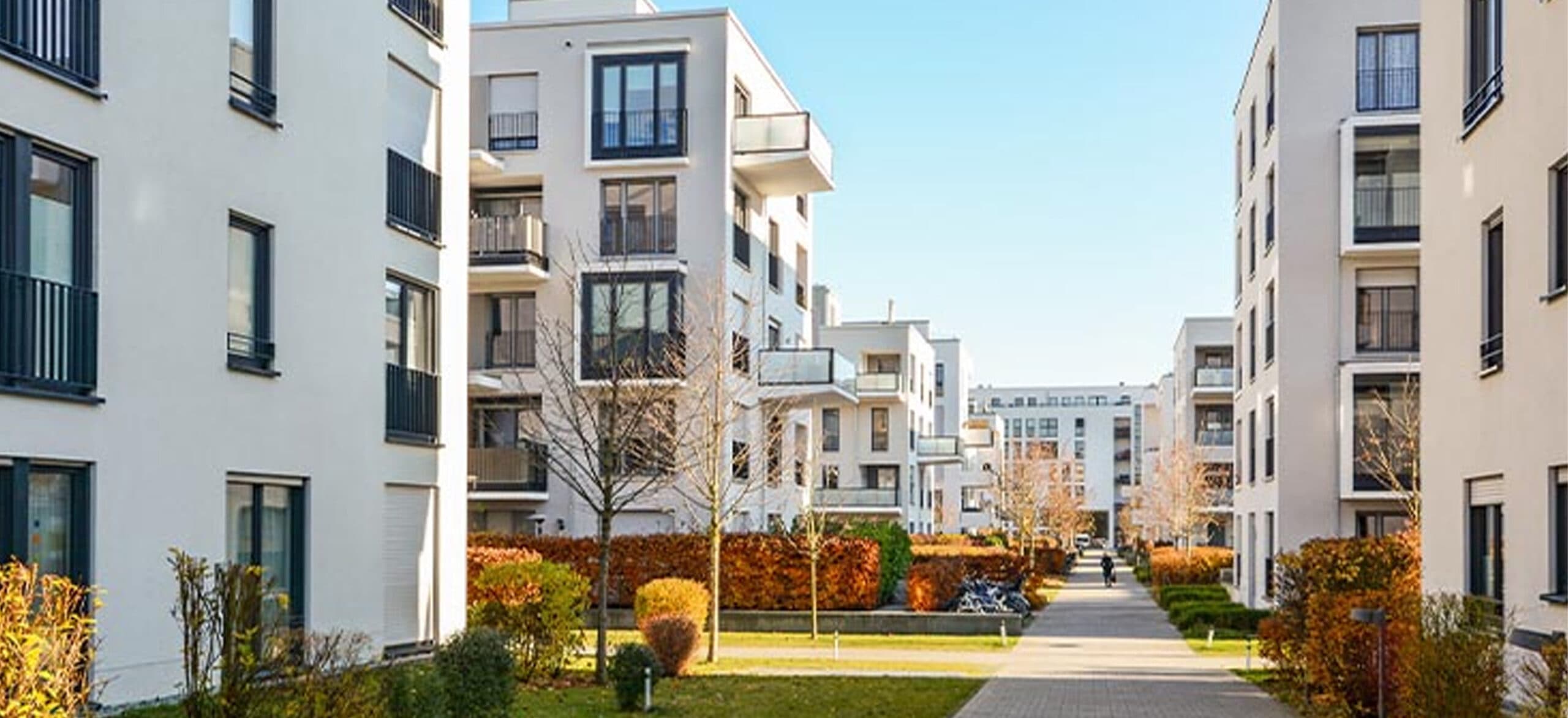
When people ask "apartment or house?" they're usually comparing the wrong things.
They compare
Maintenance hassles (apartment "easy" vs house "complex")
What they should be comparing:
Long-term capital growth potential
Actual land ownership per dollar invested
Value-adding opportunities over time
Portfolio-building capacity through equity growth
The truth is that most of the wealth in Australian real estate doesn't come from rental revenue. It's built by the rise in land value, which leads to an increase in capital.
When you buy an apartment, you own the land alongside dozens, if not hundreds, of other people who live in the same building.
Learn the Basics of Houses vs. Apartments
Before we get into which one builds more wealth, let's be crystal clear about what you're actually purchasing with each option.
Apartments
If you live in an apartment, you own the inside of your unit. That's all.
You and every other unit holder own the lobby, hallways, elevators, gym (which is used only twice a year), pool (which is "under maintenance"), rooftop garden, and parking lots through a body corporate or an owner corporation.
Apartments are grouped in places with a lot of people, such as the CBD, near universities, along transportation corridors, and around job centres. They appeal to certain groups, such as young professionals, students, downsizers, and small families who care more about location than space.
Apartments have a lot of great things going for them, such as
- Less expensive to get in.
- Close to major amenities. "Passive" management by a body corporate.
- Strong rental yields in places where people want to live.
The reality of the apartments you're accepting.
- Ongoing body corporate fees ($2,000-$10,000+ annually)
- Shared decision-making about building maintenance and improvements
- Restrictions on renovations and property modifications
- Potential special levies for building defects (which you can't control or predict)
- Limited ability to add value beyond basic interior cosmetic updates
Houses
A house means you own both the building AND the land underneath it. All of it. Every square metre. No shared walls. No committee meetings to approve painting your front door. No special levies because the building developed structural issues you didn't cause.
Houses come in every form, whether they are weatherboards, brick veneers, modern builds, period homes, cottages, or family estates. They typically include yards, driveways, garages, and outdoor spaces. The key difference isn't about having more bedrooms or a backyard for barbecues. It's about ownership structure and control.
You decide:
When and how to renovate
What improvements to make
Who to rent to and for how long
Whether to subdivide or develop (subject to council approval)
How to maintain and upgrade the property
This independence matters financially. In property investment, control equates to opportunity and opportunity equals wealth creation.
Advantages of Buying a House vs an Apartment
Now, let's get specific about why houses consistently outperform apartments for long-term wealth building. These aren't theoretical benefits; they're measurable factors backed by decades of Australian property market data, expertly done by our Parag Dixit and Julius Dabre.
1st Advantage: Stable Property Market
Property markets fluctuate. Property markets have always fluctuated and will continue to do so. But houses in established suburbs with limited land supply demonstrate remarkable resilience compared to apartments in areas with ongoing high-density development.
2nd Advantage: Supply constraints.
You cannot manufacture more land in desirable locations. Developers can build more apartment towers, but they can't create more land in Coogee, Toorak, New Farm, or any other established inner-ring suburb. This scarcity creates natural upward pressure on house prices over time. As the population grows and more people want to live in proven locations, that limited land supply becomes increasingly valuable.
Recently, the 2025 market analysis shows that houses in capital cities are expected to deliver 3.3–4.6% growth, with some areas outperforming due to infrastructure development and supply constraints. Meanwhile, apartment-heavy suburbs are experiencing supply-driven price pressure as developers continue approving high-density projects. Property also functions as an inflation hedge. As living costs rise, property values typically rise with them. Houses particularly benefit because the land component can't be recreated, making it genuinely scarce in a way apartment supply never will be.
3rd Advantage: Tax Benefits
Australian property investors have access to several tax advantages, and houses allow you to maximise many of these benefits more effectively than apartments. Deductible expenses include mortgage interest, property management fees, maintenance costs, insurance, council rates, and depreciation on the building and fixtures. While both houses and apartments qualify for these deductions, houses offer something apartments don't: substantial value-adding renovation opportunities that create fresh depreciation schedules.
You purchase an older house, invest $50,000 in strategic renovation, update the kitchen, modernise the bathroom, and install new flooring soon; you've got fresh depreciation to claim for years. These improvements also boost property value and rental returns.
And on the other hand, if you try doing that with an apartment. Body corporate restrictions limit what you can renovate. Most improvements beyond paint and carpets require approval. Structural changes? Usually not permitted. Then there's the Capital Gains Tax discount. Hold any investment property over 12 months, and only 50% of your capital gain gets taxed.
4th Advantage: Land Ownership
This is the fundamental wealth driver that separates houses from apartments. When you buy a house on a 450-square-metre block, you own 450 square metres of land. When you buy an apartment in a 40-unit building on a 1,200-square-metre block, you effectively own 30 square metres of land.
The math matters because, in Australian property markets, land drives the majority of long-term value appreciation. Buildings depreciate. They age, require maintenance, and become dated. Land appreciates, particularly in areas with infrastructure development, population growth and limited supply.
Analysis of Australian capital city property performance over the past twenty years consistently shows land contributing 70-80% of property value growth. The building structure? Maybe 20-30%.
Julius often explains this to PropWealth clients: "You're not buying a property, you're buying land with a building on it. The building's value diminishes over time. The land's value compounds. Houses give you more land per dollar invested, which means more of your capital is allocated to the appreciating asset component."
This land ownership also provides future flexibility. Suburbs get rezoned. Development opportunities emerge. You might subdivide, build a granny flat, add a second dwelling, or eventually redevelop entirely. These value-creation opportunities simply don't exist with apartment ownership.
5th Advantage: Space and Privacy for Families
Space matters both for lifestyle and investment returns. Houses offer significantly more living area, bedrooms, storage and, critically, outdoor space. This broader appeal translates to a wider potential tenant and buyer pool.
Apartments primarily attract singles, couples, young professionals, students and downsizers. Houses appeal to all those demographics, PLUS families, which represent the largest rental market segment in most Australian suburbs. Family tenants bring valuable stability. They're seeking 2–3-year minimum leases because they're enrolling kids in local schools, establishing community connections and creating stability. They treat properties better because they view them as homes rather than temporary accommodation.
Compare those numbers to typical apartment tenancies, which average 12–18 months. Higher turnover means more vacancy periods, increased advertising costs, and more property preparation between tenants. These costs erode your net returns more than most investors calculate upfront. Privacy is the overlooked factor. Houses don't share walls, floors, or ceilings with their neighbours. There are no complaints about noise. No awkward lift encounters. No disputes about pets, parking, or who is responsible for the leak. This privacy makes properties more attractive to quality tenants willing to pay premium rents for peace, space, and independence.
6th Advantage: Potential for Higher Property Appreciation
Parag and Julius's Historical Data Research shows that over the past 20 years, homes have appreciated by about 30% to 40% more than apartments in most Australian capital cities. This difference in performance isn't a coincidence. There are several reasons why the house is worth more:
Limited land in established suburbs naturally drives prices up. High-density development can increase the number of apartments available.
Land value compounding: Houses keep all of the land's worth. Apartments distribute the land's value among multiple unit owners.
Value-adding capacity: Strategic improvements on homes can bring in more money than they cost to do. Apartment renovations are limited and don't always lead to proportional value increases.
Houses attract both residents and investors, increasing demand. Apartments depend more on investor demand, which changes more often.
Infrastructure benefits: New rail stations, improved roads, and better schools all raise the value of the entire suburb. Houses experience a greater rise in value because they own more land than other types of property.
Additionally, CoreLogic's recent analysis shows that this pattern remains strong. There are some outliers in closely controlled inner-city areas where there aren't many apartments available, but in general, the trend strongly favours homes that will appreciate over time.
7th Advantage: Lifestyle Flexibility
Houses provide lifestyle flexibility that apartments cannot match, for both owners and tenants. You decide how to use every space. Convert a room into a home office. Create an outdoor entertaining area. Establish a workshop or studio. Allow pets. Plant a garden. These choices are yours. This flexibility extends across different life stages and circumstances. A house can function as a primary residence, investment property, dual-income property (through granny flats), multi-generational home, or even business premises (subject to zoning).
8th Advantage: Independence
Apartment ownership comes with strings attached. Body corporate meetings (often poorly attended and inefficiently run). Strata bylaws restrict what you can do with your property. Maintenance levies for common areas. Special levies apply to issues related to the building.
And the worst of all is the shared decision-making, such as:
- Want to install solar panels? Need approval.
- Want to renovate your balcony? Committee vote required.
- Does the building need major repairs? You're paying your share whether you agree or not.
Houses eliminate all this frustration. Every decision is yours. Maintenance timing? Your call. Renovation priorities? Your budget and strategy. Property improvements? Your analysis and execution.
This independence allows you to respond quickly to market conditions, implement value-adding strategies on your timeline, and avoid the committee-based paralysis that plagues many body corporate-managed buildings.
9th Advantage: Location Diversity
Apartments are concentrated in urban centres, along transport corridors and near universities and employment hubs. Houses? Available across virtually every Australian suburb and region. This geographic diversity provides more options to match your investment strategy, risk tolerance, and capital availability.
YOU can choose:
1. Inner-city houses in established suburbs (higher entry price, stable growth)
2. Middle-ring houses in gentrifying areas (moderate price, higher growth potential)
3. Outer suburban houses (affordability, strong family rental demand)
4. Regional centre houses (yield focus, lifestyle appeal)
However, each location profile carries different risk-return characteristics. Houses give you access to all these options, enabling portfolio diversification across different suburbs, cities, or states with distinct economic drivers. Apartments cluster in specific high-density zones, limiting your diversification capacity. If your investment strategy involves spreading risk across different locations and market types, houses provide far greater flexibility.
10. Advantage: Storage Space
Storage capacity, which may seem like a minor factor at first, significantly impacts property appeal and tenant satisfaction. Houses typically include garages, sheds, underhouse storage, attics, or basements. Apartments typically offer only a single car space and maybe a storage cage.
Adequate storage is increasingly important as remote work requires home office equipment and as households accumulate belongings over time. Families particularly value properties where they can store sporting equipment, children's toys, seasonal items, tools, and outdoor furniture without cluttering living areas. This storage advantage translates to tenant retention. Tenants who can comfortably store their belongings feel less cramped and are more likely to renew leases. For future buyers, when you eventually sell, adequate storage often becomes a decision factor, potentially giving your house an edge over similarly priced apartments.
Who Should Buy a House Over an Apartment?
Understanding a house’s advantages is one thing. Determining whether they suit your specific situation is another. Houses are particularly well-suited to certain investor profiles and strategies.
1st Type: Family-Oriented Investors
If your investment strategy targets family tenants, houses are almost essential. Families need space: multiple bedrooms, living areas, storage, and outdoor spaces for children and pets. They're seeking stability, enrolling kids in local schools and establishing community connections.
See if these align with the characteristics you are looking for:
1. Longer tenancy periods (2-3+ years average)
2. Better property maintenance (treating it as their home)
3. Reliable rental payments (established households)
4. Lower turnover costs (fewer vacancy periods)
Parag frequently observes this with PropWealth clients: "Family rentals in quality suburbs often achieve 98-99% occupancy rates year after year. We've got investors whose houses have had just two tenants across eight or ten years of ownership. That consistency is invaluable and rarely replicated with apartment investments targeting transient demographics."
2nd Type: Long-Term Investors
If your investment horizon extends beyond 7-10 years (and for building genuine wealth, it should), houses align better with long-term strategies. Capital appreciation potential compounds more dramatically over extended periods. A house appreciating 6% annually doubles in value approximately every 12 years through compound growth. An apartment appreciating 4% annually takes roughly 18 years to double.
Over 20-30 year investment timeframes, this difference represents substantial wealth variation, potentially hundreds of thousands of dollars in additional net worth. Long-term investors also benefit more from houses' tax advantages. The longer your holding period, the more depreciation deductions you claim and the larger your eventual capital gain (and corresponding CGT discount benefit).
Houses' higher absolute appreciation means these tax benefits translate to greater dollar value over time, not just higher percentages.
3rd Type: Renovators & House Flippers
If you have renovation skills, enjoy project management, or want to actively add value to investments, houses are essential. The ability to renovate, extend, reconfigure, or develop houses unlocks profit opportunities that apartments cannot provide.
Julius highlights this advantage: "We've seen PropWealth clients purchase houses in outer Melbourne suburbs, invest $50,000 in strategic renovations, and create $120,000 in added value within 12-18 months. That 140%+ return on renovation investment is possible with houses but extremely rare with apartments, where body corporate restrictions limit what you can actually change."
Key Factors to Consider Before Making Your Choice
A. Budget and Financial Planning
Be realistic about financial capacity. Houses cost more than apartments in equivalent suburbs, often 30-50% more, so deposit requirements and borrowing capacity will be higher.
However, a higher entry cost doesn't mean houses are unaffordable. It might mean adjusting location expectations. Compare that apartment in an inner suburb to a house in an emerging outer suburb with strong infrastructure development. Consider the complete cost picture. Houses have higher council rates and insurance, but you eliminate body corporate fees and control maintenance spending.
Don't overextend yourself. Better to purchase a modest house in a good suburb you can comfortably afford than stretch thin on a premium property.
B. Lifestyle Preferences and Long-Term Goals
Your investment choice should align with broader financial objectives. Are you building for retirement income? Seeking capital growth for eventual wealth conversion? Different goals require different strategies.
Think beyond just the next few years. Where do you see yourself financially in 10, 20, 30 years? How does this property fit that vision?
C. Investment Potential and Market Trends
Look for houses in areas with strong fundamentals: population growth, employment opportunities, infrastructure investment, and lifestyle amenities.
Julius advises, "We prioritise suburbs where government infrastructure spending is planned. New train stations, hospital upgrades, and school expansions create ripple effects of increased demand and appreciation."
Avoid areas with concerning apartment oversupply. Check your state government's planning websites to understand future development approvals and potential supply impacts. Consider houses with value-add opportunities. These provide ways to accelerate wealth building through active improvement rather than relying solely on market appreciation.
Here’s the 2025 Reality You need to consider BEFORE taking your first step.
Australia's property market in 2025 presents unique dynamics. Apartment construction continues across major cities, creating downward pressure on apartment values. Meanwhile, house construction in inner- and middle-ring suburbs remains constrained, supporting house values. Population growth continues with immigration returning to strong levels. The work-from-home shift has permanently changed property preferences towards space, home offices, and the privacy advantages houses naturally provide.
For investors like you making decisions in 2025, these factors suggest houses are positioned to outperform apartments over the next decade in most Australian markets. The apartment versus house decision isn't about which property type is abstractly "better". It's about which option aligns with your specific financial goals, risk tolerance, timeline, and strategy.
Ready to make an informed investment decision? PropWealth's property strategists, Parag Dixit and Julius Dabre, have helped hundreds of investors navigate this exact decision.
Book your free consultation today. Call 0435 514 400 or schedule your strategy session now.
Note: Your 2025 property decision will impact your financial position for decades. Make sure it's informed, strategic, and designed to build the wealth you're working towards.