
First-Homebuyer Activity Surges in SA. an Overall Spike in First-Homebuyer Loans
First-home buyer loans are rising fast in 2025, with South Australia leading the trend, so what does it mean for new buyers now?

The trend in first-home buyer loans caught fire. Our research team, Propwealth, noticed a tremendous change. In 2024, first-home buyer loans reached 125,220, with 5.9% annual growth.
Why did this happen?
- The RBA rate cut pushed more borrowing.
- Ease in lending requirements
- Reduced interest rates
- Rise in affordability
The shocking fact is that it was hard for first-home buyers to buy homes earlier. But now, they have started to catch up and are leaving upgraders behind.
The ongoing government schemes, like state grants and the First Home Guarantee, further fueled this trend and let first-home buyers buy a home with a smaller deposit.
The big shot is that while we have this trend, we might see a rise in first-home buyers' loans faster than last year. Research says that there might be a surge of 6.5% in 2025, reaching 133,308. Alongside this, we might see 5.3% growth in owner-occupier loans to 216,210 loans.
Let’s see what the statewide picture shows:
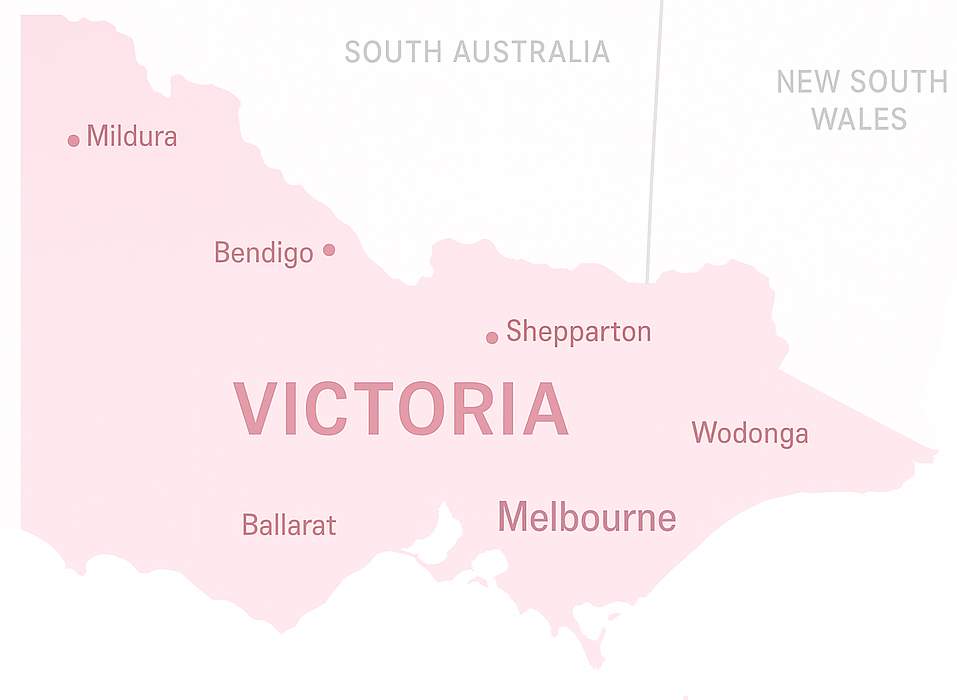
Victoria
- Remained a top destination for first home buyer loans
- 11% rise in the number of loans in 2024
- Double the national average growth of 5.5%
- Highly accounted for 32.5% of all new owner-occupier loans
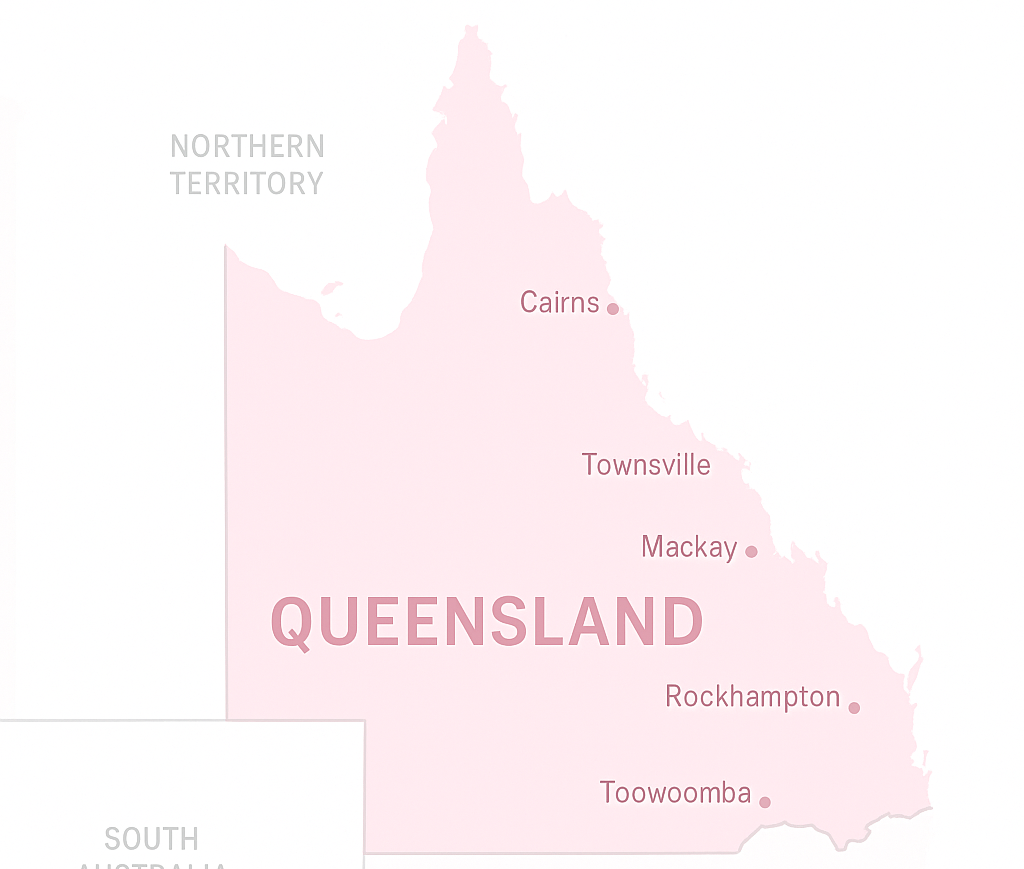
Queensland
- The state ranked second in the number of first-home buyer loans
- 6% annual growth, outpacing the previous growth.
Following the trend, in South Australia, the first-home buyer loans grew by 4.6%
- With FHB loans make up 34.9% of all owner-occupier loans
- Modest growth of 5.1%, but below the national average
- Reduced market competition—more opportunities for first-home buyers.
However, some figures showed us a different scenario, like
- Adelaide property price on the heights is at $1 million
- Average loan value still falls below $500k
- Affordability remains a concern
That means we can say that, no doubt, South Australia is booming with first-homebuyer loans but simultaneously pushing prices higher. As a result, affordability is still a major issue for many people.
Meanwhile, we saw that some states still experienced a steep drop:
- Western Australia: 9.9% drop in first-home buyer loans (2024 December Quarter)
- New South Wales: 9.1% drop. Also annual growth rate dropped to 3.3%
But when we checked average figures, we found that the average first-home buyer loan grew by 6% in 2024 ($504,694). But the borrowing gap is still high. For example, despite growing numbers, non-FHB owner-occupier loans still sit at $698,053, while FHB loans sit at $533,066.
So, how will it impact first-home buyer activity?
Well, we might see more first-home buyers looking forward to alternative markets beyond just capital cities. They may be switched to regional areas of South Australia or Queensland.
More importantly, the trend of rent-vesting might grow, where people will start buying their homes not to live in but to rent. With government initiatives heading more towards smart construction projects, co-living might come up as another option.
Hence, the key now is to find a trustworthy buying agent and secure the best suburb before prices turn more aggressive.