
Hidden Power of Affordable Suburbs: Why They’re Outperforming Premium Markets
The persuasion of "blue-chip" suburbs, premium postcodes, waterfront properties, and inner-city prestige addresses has drawn property investors to Australia for years. If you could afford it, buying in a premium…
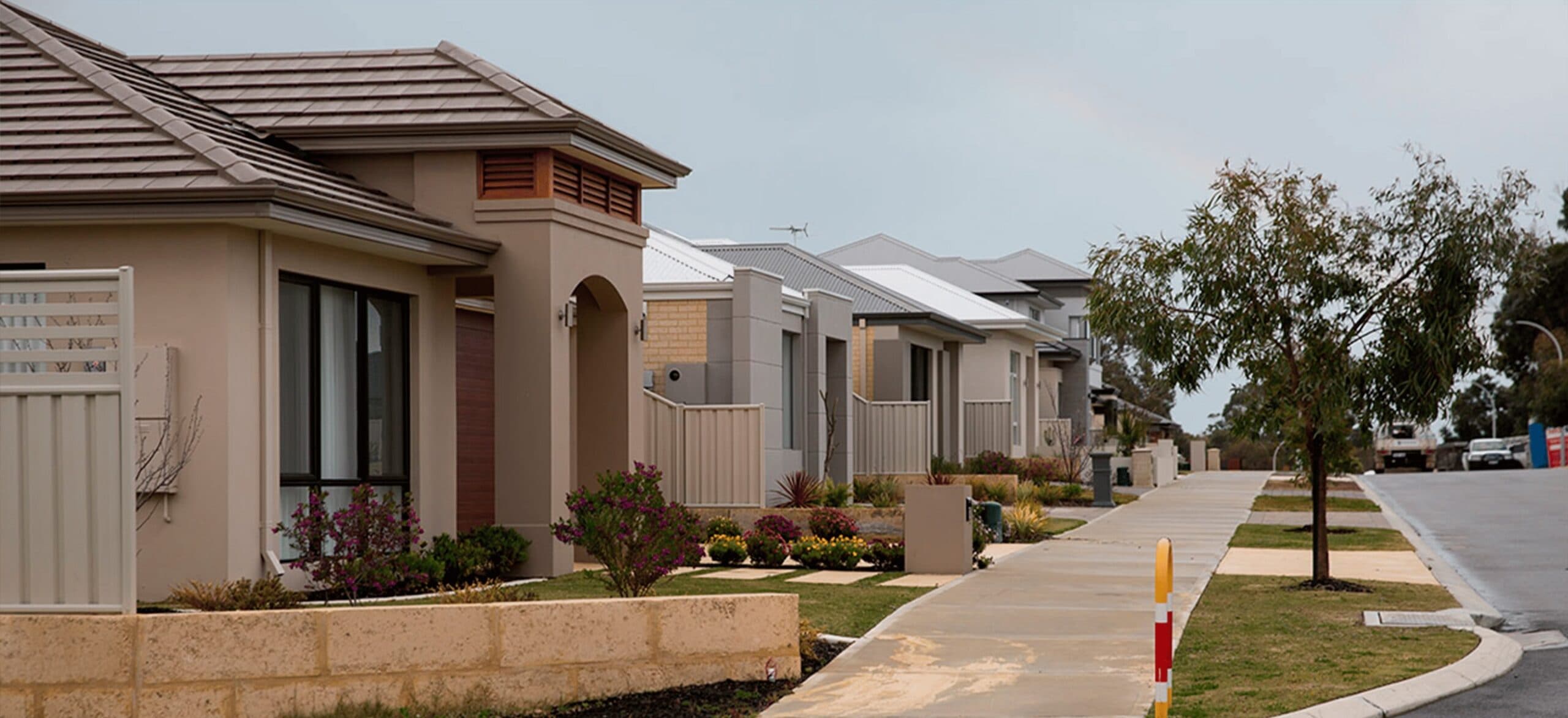
The persuasion of "blue-chip" suburbs, premium postcodes, waterfront properties, and inner-city prestige addresses has drawn property investors to Australia for years. If you could afford it, buying in a premium area was the unquestioned path to superior capital growth and lasting wealth. But what if that assumption is now working against you?
Many investors today face a frustrating reality with stretched budgets, soaring entry costs in traditional "growth" areas, and rental yields so low that holding a property becomes a financial strain. You might be wondering, "Is there another way?" What if the key to stronger, more resilient growth isn’t about paying a premium for an address but about understanding where the next wave of Australian buyers and renters can actually afford to live?
The data show a significant change across several markets, such as the affordable suburbs always developing faster than expensive ones, measured as a percentage. This isn't just a short-term trend; it's caused by basic economic and demographic forces. In this article, we'll go beyond the notion of prestige and look at the facts that show why smart investors are choosing affordable places. We'll provide you with a precise framework to identify these opportunities and avoid common mistakes, turning market insights into a real investing plan.
First, let’s clear what defines an Affordable vs. a Premium Suburb.
To understand the performance gap, we first need to understand both of the terms. The line between "affordable" and "premium" isn't just about price; it's about market dynamics and buyer psychology.
An affordable suburb is typically characterised by a median home price that is significantly below the state or capital city average. But price is just the starting point. However, strong owner-occupier demand defines these areas. They are where nurses, teachers, tradespeople, first-home buyers, and young families can still enter the market. As Propwealth’s lead analyst, Julius Dabre, often notes, "Affordability isn't just a price point; it's a measure of accessibility for the essential workforce that keeps our cities running." These suburbs often sit in outer metropolitan rings, key regional centres, or established areas that are undergoing renewal.
On the other hand, Premium or prime suburbs command prices, driven heavily by lifestyle and status. Imagine harbourside views, exclusive school catchments, and established "leafy" streets. The premium isn't just for the house; it's for the postcode. This situation comes with trade-offs, notably lower rental yields and significantly higher entry costs. The buyer pool is narrower, limited to high-income earners, established equity-rich homeowners, and a smaller segment of investors. Growth in these markets often relies on economic confidence and readily available credit, making them more volatile.
Now Here is The Important Part: Why are Affordable Suburbs winning?
This is due to several structural advantages that create a more resilient and dynamic growth environment; let’s understand each of them one by one:
Reason 1st. Stronger Buyer Demand at Accessible Price Points
As borrowing money becomes more challenging, particularly with rising interest rates, the demand for million-dollar suburban homes may decline rapidly. However, transactions continue to take place in affordable suburbs. This trend arises mainly from the necessity for housing, as individuals are unable to alter their preferences. Support for first-time homebuyers, initiatives such as the Home Guarantee, and the fundamental need for housing all help maintain consistent demand in lower price brackets. An increase in potential buyers leads to heightened competition, which in turn results in rising prices.
Reason 2nd. Superior Rental Yields and Cash Flow
This trait is a critical advantage for investors. Affordable properties typically generate gross rental yields of 4%–6% or even higher, compared to the 2-3% often seen in premium areas. As Parag Dixit, Propwealth's Head of Strategy, explains, "A strong yield isn't just about monthly income; it's a safety net. It improves your cash flow, reduces holding stress during market downturns, and allows you to hold the asset long enough to realise its capital growth potential." This financial resilience is a game-changer.
Reason 3rd. The Mathematics of Percentage Growth
A property purchased at $500,000 that increases in value to $750,000 realises a 50% capital gain. A high-end property bought at $2,000,000 that appreciates to $2,400,000 realises a 20% increase. Although the dollar's rise is greater for the premium property, the percentage increase, which genuinely enhances your wealth over time, is notably higher for the affordable asset. This situation clearly explains why budget-friendly suburbs consistently lead the charts in annual growth.
Now there is more to the story: The real growth drivers are infrastructure and Population Expansion.
Reason 1st: Government Investment as a Growth Engine
Upgrades to transportation, the establishment of new schools, expansions of hospitals, and the creation of employment hubs are often focused on growth corridors and regions where land is more accessible, with affordability as a primary government goal. The introduction of a new train line or highway can significantly enhance the liveability and connectivity of an affordable suburb, leading to a reassessment of its property market value. "We consistently monitor the infrastructure pipeline," states Julius Dabre. "It serves as a key signal for the upcoming rise in accessibility, amenities, and demand."
Reason 2nd: Migration and Demographic Shifts
The growth of Australia’s population, fuelled by overseas migration and internal relocation, necessitates adequate housing solutions. New migrants, students, and young families are finding it harder to afford living in the heart of capital cities. They instinctively seek out places that provide great value, ample space, and a sense of community. The ongoing influx of residents provides a strong foundation for enduring demand in budget-friendly suburbs, bolstering both the rental market and future resale opportunities.
The Reality of Premium Suburbs: Stability Without Spectacular Growth
Premium suburbs offer a sense of reliability and recognition, and typically a steadier, more predictable path to long-term development. However, economic conditions, credit regulations, and overall sentiment influence their performance. Prices can remain steady for extended periods, only to experience sudden and significant increases thereafter. Steep entry costs and high yields in premium markets pose a significant hurdle for investors who test their financial resilience during periods of stagnation.
The Implications for Real Estate Investors
The findings indicate a distinct change in strategy. Smart investors are now focusing on budget-friendly suburbs, viewing them not as a fallback option but as the main driver for building wealth. Here are some of the essential metrics to consider:
- Price-to-Income Ratio: To determine this, check whether local wages are keeping pace with the area's median price.
- Rental Yield Strength: To determine this, check whether the gross rental yield is sufficient to maintain robust cash flow.
- Supply vs. Demand: To understand this, you need to determine the difference. This raises the question of whether the supply of new housing is constrained by factors such as being landlocked in a suburb, despite the ongoing population growth.
- Economic Factors: To understand it, you need to check whether there are varied job opportunities, infrastructure investments, or a significant employer in the area.
- Owner-Occupier Presence: A high percentage of owner-occupiers suggests a stable, committed community, which reduces unpredictability.
Avoid these Costly mistakes when investing in Budget-Friendly Suburbs
Mistake 1: Pursuing the Lowest Price: Focusing solely on the cheapest option is not the objective. The aim is to achieve optimal value alongside growth catalysts. An inexpensive property in a town lacking employment opportunities or prospects is a burden.
Mistake 2nd: Overlooking Local Research: Avoid relying on state-level data; you should also explore the suburb's unique demographics, upcoming development initiatives, and the complex relationships that govern each street.
Mistake 3rd: Neglecting Property Health Conditions: "Affordable" must not equate to "compromised." A well-built property in a desirable area of that suburb should always remain your first priority.
Mistake 4th: Anticipating Rapid Growth: Although growth can be robust, it should be considered over a 7-10-year timeframe. Steadfastness paired with strong principles is essential.
Your 4-step checklist for finding a real, growth-potential-driven, affordable suburb.
- Explore the Path of Infrastructure: Investigate state and local government budgets for upcoming projects in transportation, healthcare, and education.
- Monitor Migration Trends: ABS data reveal the LGAs with the fastest population growth.
- Examine the Days on Market and Vendor Discounting: A trend of decreasing days on market and lower discounts suggests increased buyer urgency.
- Seek Expert’s Data-Led Advice: This is where a partner like Propwealth adds immense value. We move beyond gut feeling, using detailed market analytics, such as insights from authoritative sources like Hotspotting's analysis on affordable outperformance, to identify suburbs where the fundamentals of demand, supply, and affordability are aligning for future growth.
Rethink Your Path to Wealth
The Australian property investment landscape is evolving. The old mantra of "buy the best you can afford in the most expensive area you can manage" is being challenged by compelling, data-driven evidence. Affordable suburbs offer a powerful combination of stronger percentage growth, higher yields, and resilience during economic shifts.
The goal isn't to find a "cheap" property in compromised conditions. The goal is to find an undervalued growth story, a suburb where affordability today meets the undeniable drivers of tomorrow's demand. It’s a strategy that requires research, patience, and a shift in mindset from prestige to potential.
At Propwealth, we help investors navigate this precise opportunity. We combine deep market analytics with strategic planning to build portfolios designed for growth and fortified by cash flow. The question for the modern investor is no longer, "Which prestige postcode should I buy in?" It’s, "Where is the next wave of Australian families going to live, work, and thrive?" The answer to that question is where your most powerful investment opportunity is likely waiting. Book your free strategy session today or call 409 016 393 at the time that works best for you.